



European cluster Natura 2000
As fundamental tools of the European policy for biodiversity conservation, Natura 2000 sites aim to ensure better consideration of biodiversity issues in human activities. These sites are designated to protect a number of habitats and species representative of European biodiversity. The precise list of these habitats and species is annexed to the European Birds Directive and the European Habitats–Fauna–Flora Directive.
Across Europe, the network comprises 27,522 sites and covers 18% of land areas and 6% of the Exclusive Economic Zone. As of March 1, 2017, France has 1,766 sites, covering nearly 13% of metropolitan land territory and 11% of the metropolitan Exclusive Economic Zone.
The Natura 2000 network approach prioritizes collective efforts to achieve balanced and sustainable management of these areas, taking into account economic and social concerns:
-
Human activities and infrastructure projects are permitted within Natura 2000 sites. To prevent activities that may be harmful to biodiversity, projects likely to have an impact on protected species and habitats must undergo a prior assessment.
-
On a day-to-day basis, the management of Natura 2000 sites is based on a participatory approach involving local stakeholders. A steering committee defines conservation objectives and management measures for each site, which are then implemented through charters and contracts co-financed by the European Union.
Escape
into nature
in La Colle-sur-Loup
while respecting it
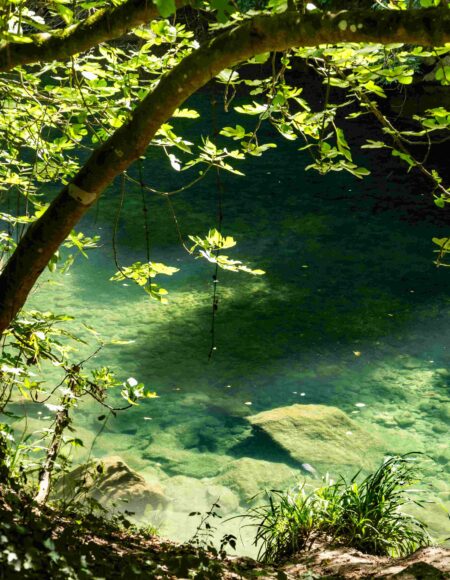
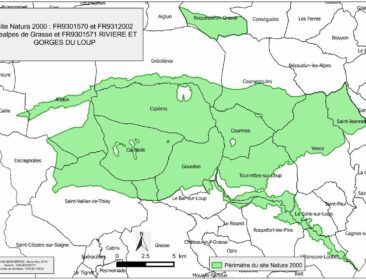
Nestled in the beautiful Provençal countryside, the Gorges du Loup and the Loup River are part of the Natura 2000 network.
To learn more about Natura 2000 and the designated sites in the department: